





Pashupatinath Temple: Nepal’s Sacred Hindu Pilgrimage Site

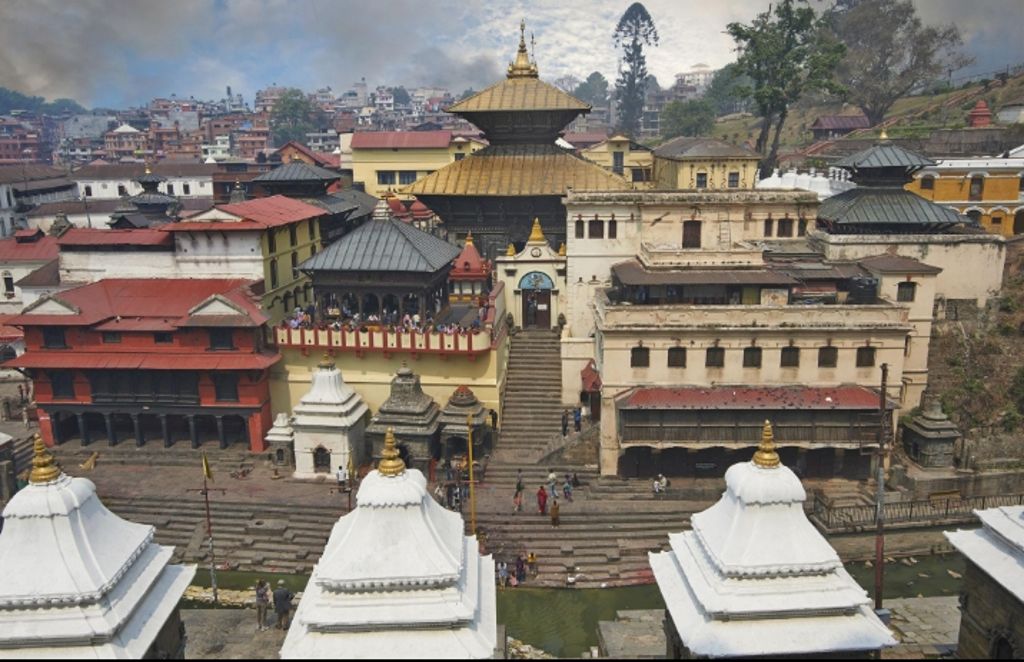
- Introduction Pashupatinath Temple is one of the most sacred Hindu temples in the world and a symbol of Nepal’s rich religious and cultural heritage.
- Located on the banks of the Bagmati River in Kathmandu, the temple is dedicated to Lord Shiva, one of the principal deities of Hinduism.
Introduction
Pashupatinath Temple is one of the most sacred Hindu temples in the world and a symbol of Nepal’s rich religious and cultural heritage. Located on the banks of the Bagmati River in Kathmandu, the temple is dedicated to Lord Shiva, one of the principal deities of Hinduism. Every year, millions of devotees, pilgrims, and tourists visit this holy site to seek blessings and experience its spiritual atmosphere.
Historical Background
The history of Pashupatinath Temple dates back more than a thousand years. Although the exact date of its construction remains uncertain, historical records suggest that the temple existed as early as the 5th century. Over the centuries, several kings and rulers renovated and expanded the temple complex.
According to Hindu mythology, Lord Shiva once took the form of a deer and lived in the forests near the Bagmati River. When the gods discovered him, one of his horns broke and became a sacred Shiva Lingam. This Lingam later became the object of worship at Pashupatinath Temple.
Architecture and Design
The temple is a masterpiece of traditional Nepali pagoda-style architecture. The main temple stands on a raised platform and features:
- A two-tiered golden roof
- Intricately carved silver doors
- Beautiful wooden carvings
- Sacred courtyards and shrines
The temple houses a unique four-faced Shiva Lingam, representing different aspects of Lord Shiva. The architecture reflects the artistic excellence of Nepal’s ancient craftsmen and remains one of the country’s most admired religious structures.
Religious Significance
Pashupatinath is considered one of the holiest temples dedicated to Lord Shiva. Hindus believe that visiting the temple and offering prayers can bring spiritual peace and blessings.
The temple plays a central role during major Hindu festivals, especially:
- Maha Shivaratri
- Teej
- Bala Chaturdashi
- Shravan Mondays
During Maha Shivaratri, hundreds of thousands of devotees from Nepal, India, and other countries gather at the temple to worship Lord Shiva.
The Bagmati River and Cremation Ghats
One of the most significant features of Pashupatinath is its location beside the Bagmati River. The river is considered sacred by Hindus, and cremation ceremonies are performed on the Arya Ghats located along its banks.
According to Hindu beliefs, cremation near Pashupatinath helps the soul attain salvation and move toward liberation from the cycle of birth and death. Visitors can witness traditional Hindu funeral rituals, which provide insight into Nepal’s spiritual traditions.
UNESCO World Heritage Site
Pashupatinath Temple is part of the UNESCO World Heritage Site listed under the Kathmandu Valley cultural heritage zone. The temple complex includes hundreds of smaller temples, shrines, statues, monasteries, and religious monuments that showcase Nepal’s artistic and cultural history.
Tourism and Cultural Importance
Apart from its religious significance, Pashupatinath is one of Nepal’s most visited tourist destinations. Visitors from around the world come to admire its architecture, observe Hindu rituals, and learn about Nepalese culture.
The temple complex offers:
- Ancient temples and shrines
- Daily evening Aarati ceremonies
- Traditional religious practices
- Cultural and historical landmarks
- Scenic views of the Bagmati River
Conclusion
Pashupatinath Temple is much more than a place of worship. It is a living symbol of Nepal’s faith, history, culture, and spirituality. As one of the most revered Hindu temples in the world, it continues to attract millions of pilgrims and visitors every year. Its magnificent architecture, sacred traditions, and peaceful atmosphere make it one of Nepal’s greatest treasures and a source of pride for the nation.

प्रतिक्रिया


यो पनि पढौँ



यो पनि पढौँ